Arsenal’s thrilling season — filled with elite performances, tactical intricacies, and intense Premier League title pressure — has brought both praise and criticism for manager Mikel Arteta.
Among the most heated debates this campaign has sparked is the question of how best to utilize Bukayo Saka, arguably Arsenal’s most influential attacking talent. And now, according to voices close to Arsenal’s history, even former manager Arsène Wenger might be signaling a warning: don’t move Saka out of his natural position again.
The Importance of Saka to Arsenal’s System
Bukayo Saka has emerged as one of the Premier League’s best attackers over recent seasons. His blistering pace, creativity, and ability to drift inside and out of play make him uniquely dangerous. He became central to Arsenal’s attacking identity — both domestically and in Europe — and his return from injury earlier this season sparked optimism that Arsenal’s title push would regain full momentum.
Arteta’s management of Saka has mostly leaned on the player’s versatility. Traditionally a right winger, Saka has also been deployed in more central attacking roles — at times even as a No.10 — part of Arteta’s attempt to unlock different tactical patterns and compensate for injuries elsewhere in the squad.
But that flexibility has come with debate. When Saka has been shifted centrally — especially into roles that emphasize playmaking over direct wing threat — observers argue he is less effective. In tight games, teams can congest the middle, blunting Saka’s influence compared to when he starts high and wide, ready to attack defenders one-on-one.
Arsène Wenger’s Philosophical Warning
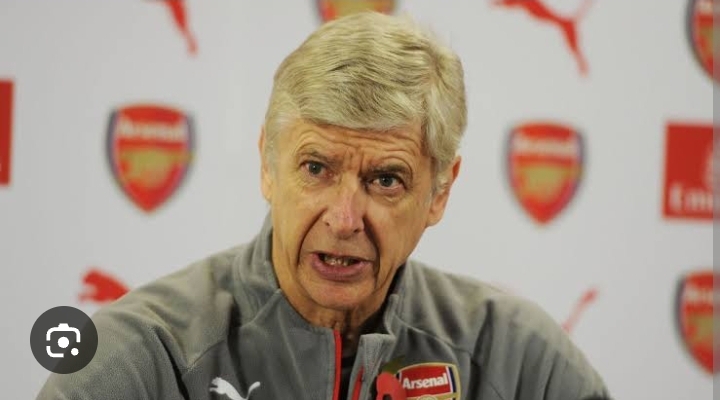
This is where the talk of Arsène Wenger comes in. Wenger has long championed nurturing natural talents in their best positions and maximizing what they do best — attacking rhythms, positional understanding, and freedom in the final third. Though Wenger hasn’t made a direct public statement about Saka and Arteta’s tactical decisions, pundits and club veterans have started to evoke his football philosophy: let players excel in their strongest roles rather than rotate systems arbitrarily.
Wenger’s era at Arsenal was hallmarked by tactical flexibility that still honored the natural positional instincts of players like Thierry Henry, Dennis Bergkamp, and Robert Pires. More recently, fans and media have retrospectively drawn contrasts between that approach and Arteta’s more nuanced, interchangeable roles for attackers like Saka and Gabriel Martinelli.
The gist of the warning is the same theme: moving a player like Saka too far from where he thrives could risk diminishing his impact — especially during a title race as tight as this one.
Pressure on Arteta and Tactical Rethink
Arteta has often spoken about the need for squad adaptability as part of his management ethos. With players sidelined through injury — including crucial contributors such as Martin Ødegaard and Kai Havertz — Arteta has had to make difficult choices about where to deploy his best men.
But the reactions have been mixed. When Arsenal struggled in matches where Saka was positioned more centrally, criticism grew. Some pundits argued that putting Saka away from the flank — the place where his pace and directness are most dangerous — reduced Arsenal’s ability to break teams down and exploit space.
Those concerns intensified in recent weeks after a draw against bottom-placed Wolves — a result where Arsenal failed to capitalize on a strong position and looked less fluid in attack. Critics and even former Arsenal figures pointed to tactical rigidity and questionable positional shifts among key forwards.
Why Saka in His Natural Position Matters
Saka’s effectiveness on the right wing is supported by several practical footballing principles:
- Space to attack: Wide areas offer more space for Saka to accelerate past defenders — a facet of his play that central roles can’t replicate.
- Crossing and cutbacks: From the flank, Saka can deliver dangerous balls into the box and combine with overlapping full-backs.
- Defensive balance: Wing positions help preserve shape without collapsing the midfield into congestion.
When Saka is pushed inside, some argue Arsenal lose critical elements of their attacking threat — particularly against packed, central formations.
Arteta Will Likely Respond judiciously
Despite the criticism, Arteta remains a respected voice in coaching circles with a reputation for detail and tactical intelligence. His willingness to experiment is partly what has driven Arsenal’s evolution in recent seasons. The challenge for Arteta now — with the title race narrowing and pressure mounting — is to balance that innovation with positional stability for his key players.
Returning Saka to his most potent role consistently could not only amplify Arsenal’s attacking output but also align with the kind of strategic wisdom Wenger often espoused — trust your best players in the roles where they are most decisive.
Arsène Wenger’s philosophical influence on Arsenal persists even years after his departure. In discussions around Bukayo Saka’s position, that influence manifests as a reminder to embrace what works best for the team’s star player. With Arsenal fighting for honours on multiple fronts, such reminders — whether from history or current pundits — may carry significant weight in shaping tactical decisions going forward.