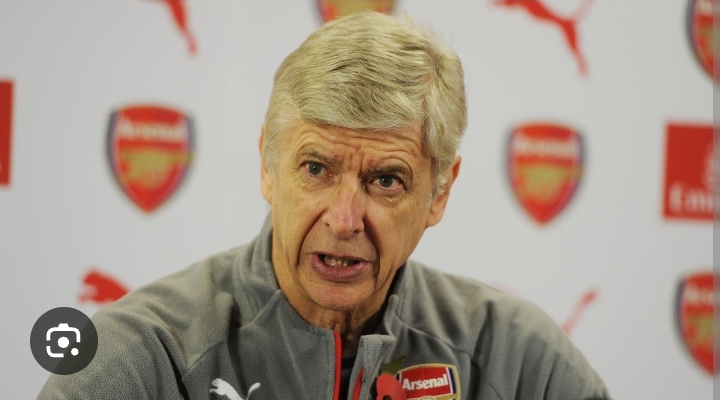
Speculation surrounding the future of Mikel Arteta at Arsenal has intensified in recent days, following comments attributed to former club legend Arsène Wenger. The iconic Frenchman, who oversaw one of the most successful eras in Arsenal’s history, is believed to have raised concerns about the team’s current trajectory and suggested that the club may need to consider a bold managerial change if they are to maintain their competitive edge at the highest level.
According to emerging reports, Wenger has privately expressed doubts about whether Arteta can take Arsenal to the next stage, particularly in the wake of inconsistent performances in crucial fixtures. While Arteta has undeniably rebuilt the squad and restored a sense of identity at the club, critics argue that progress must now translate into tangible silverware. For a club of Arsenal’s stature, near-success is no longer sufficient.
Wenger’s alleged recommendation has sparked widespread debate, particularly as he is said to have pointed toward Enzo Maresca as a potential successor. Maresca, who has earned plaudits for his tactical intelligence and progressive footballing philosophy, is viewed by some as one of the most promising young managers in European football. His ability to implement structured, possession-based systems has drawn comparisons to elite managerial figures, making him an intriguing candidate for a club seeking evolution rather than revolution.
The suggestion of replacing Arteta with Maresca is not without controversy. Arteta has overseen a significant transformation since taking charge, guiding Arsenal back into title contention and re-establishing them as a formidable force in both domestic and European competitions. Under his leadership, several young talents have flourished, and the club has adopted a clear tactical identity. However, recent setbacks—particularly in high-pressure matches—have reignited questions about whether he possesses the experience and tactical flexibility required to deliver major trophies consistently.
For Wenger, who built his legacy on long-term vision and attacking football, the idea of change would not come lightly. His perspective carries weight not only because of his history with Arsenal but also due to his deep understanding of the club’s culture and expectations. If he truly believes a managerial switch could benefit the team, it would signal a significant shift in thinking from someone traditionally associated with patience and stability.
Meanwhile, Maresca’s growing reputation continues to attract attention across Europe. His coaching approach emphasizes control, intelligent positioning, and technical precision—qualities that align closely with Arsenal’s footballing philosophy. Appointing him would represent a gamble, but also a statement of intent: a willingness to embrace innovation and invest in the future.
Within the Arsenal fanbase, reactions to the reports have been mixed. Some supporters remain firmly behind Arteta, pointing to the progress made and the foundations laid for sustained success. Others, however, share concerns about the team’s ability to deliver in decisive moments and are open to the idea of a fresh voice on the touchline.
Ultimately, the club’s hierarchy faces a delicate decision. Sacking Arteta would be a bold and potentially divisive move, especially given the strides made under his leadership. Yet football is a results-driven business, and patience can quickly wear thin when expectations are not met.
As the season unfolds, the pressure on Arteta is likely to intensify. Whether Arsenal chooses continuity or change could define not only their immediate future but also the long-term direction of the club. And with figures like Wenger weighing in, the debate is unlikely to fade anytime soon.