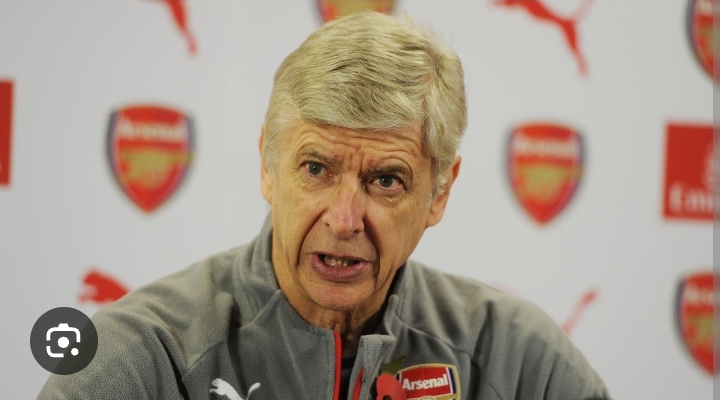
Arsène Wenger has reportedly expressed strong criticism toward Mikel Arteta following Arsenal’s recent match, where Eberechi Eze was surprisingly left on the bench despite expectations that the midfielder would play a key role.
The former Arsenal manager, known for his calm and analytical approach to football, is said to have questioned both the tactical reasoning and the timing of the decision, suggesting it may have cost Arsenal a more dominant performance.
The decision to omit Eberechi Eze from the starting lineup raised eyebrows among fans and pundits alike. Eze, who has been in impressive form with his creativity, dribbling ability, and attacking influence, was widely expected to start in a game where Arsenal needed flair and unpredictability in the final third. Instead, he was introduced later in the match, a move that many felt limited Arsenal’s attacking rhythm in the opening stages.
Speaking in post-match analysis reported across multiple football circles, Arsène Wenger is believed to have questioned whether Arteta overcomplicated his tactical setup. Wenger reportedly suggested that in high-pressure fixtures, especially where breaking down structured defenses is required, players like Eze should not be left on the bench unless there is a clear physical or tactical justification.
“Mikel has built a strong and disciplined team, but sometimes discipline must not come at the expense of creativity,” Wenger is quoted as saying in discussions around the match. “Players like Eze can change the tempo of a game instantly. If you start without that kind of unpredictability, you risk becoming too predictable in the final third.”
On the other side, Mikel Arteta is understood to have defended his selection choices, pointing to squad rotation, tactical balance, and opposition analysis as key reasons behind the lineup. Arteta has consistently emphasized structure and control as the foundation of his system, often prioritizing defensive stability and game management over individual flair in starting selections.
However, critics argue that Arsenal’s attacking phase lacked sharpness in the first half, with limited penetration between the lines. Supporters of Wenger’s view claim that Eze’s absence was felt in the team’s inability to consistently unlock the opposition defense early in the match, forcing Arsenal to rely on wider, more predictable build-up play.
Football analysts have also weighed in, suggesting that Arteta may have been attempting to manage Eze’s workload or adapt to specific tactical instructions aimed at controlling midfield transitions. Still, the debate centers on whether such caution is necessary in matches where Arsenal are expected to assert dominance rather than contain threats.
Eze’s introduction later in the game reportedly added more fluidity to Arsenal’s attack, with sharper transitions and more direct dribbling into dangerous areas. This has only intensified the debate, as it reinforced the argument that his presence from the start could have altered the match’s overall rhythm.
The discussion has now become a wider talking point about Arsenal’s evolving identity under Arteta. While the team has developed into one of the most tactically organized sides in Europe, questions remain about whether they sometimes sacrifice spontaneity and creativity in big matches.
Wenger’s criticism, whether seen as constructive or nostalgic, has added weight to the ongoing conversation about balance within the squad. As Arsenal continue their campaign, decisions like these will likely be scrutinized even more closely, especially when results are fine margins.
For now, the debate remains unresolved: was it a tactical masterstroke by Arteta, or a missed opportunity to unleash one of Arsenal’s most dangerous attacking talents from the very start?