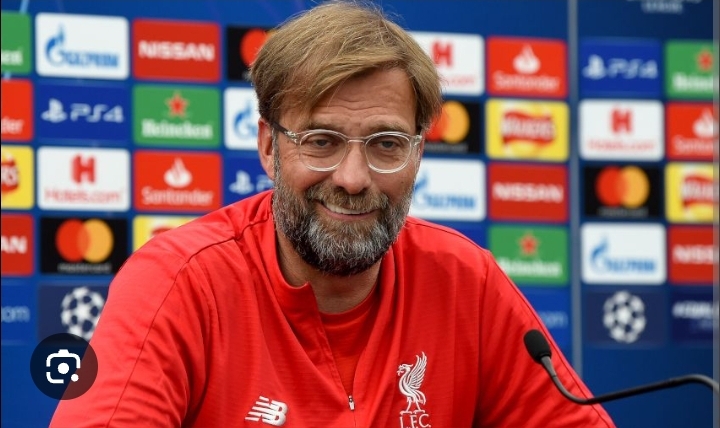
The fallout from Arsenal’s recent defeat to Manchester City has sparked widespread debate across the football world, and now former Liverpool manager Jürgen Klopp has added his voice to the growing criticism surrounding Mikel Arteta’s tactical decisions—particularly the controversial benching of Viktor Gyökeres.
In what was billed as a defining clash in the Premier League title race, Arsenal fell short against Manchester City, leaving fans and pundits dissecting every detail of the performance. While City’s clinical edge and composure were undeniable, much of the post-match narrative has centered on Arteta’s team selection—specifically his decision to leave Gyökeres, one of Arsenal’s most in-form attacking threats, out of the starting lineup.
Klopp, known for his sharp football insight and candid opinions, did not hold back when addressing the situation. Speaking in a post-match analysis segment, the German tactician suggested that Arteta’s choice disrupted Arsenal’s attacking rhythm and ultimately played into City’s hands.
“Big games are often decided by small decisions,” Klopp reportedly said. “When you have a striker like Gyökeres—strong, direct, confident—you don’t leave him out unless there is a very serious reason. These are the matches where your best players must start. Otherwise, you give the opponent an advantage before the game even begins.”
Gyökeres has been a revelation since his arrival, bringing physical presence, pressing intensity, and a consistent goal threat to Arsenal’s frontline. His ability to stretch defenses and occupy multiple defenders has been a key component of Arteta’s system in recent weeks. Against a side as structured and disciplined as Manchester City, many believed his inclusion would have been crucial in unsettling their backline.
Instead, Arteta opted for a more fluid attacking setup, prioritizing technical interplay over physicality. While the approach has worked in other fixtures, Klopp implied that against a team managed by Pep Guardiola, adaptability is essential.
“City are masters of control,” Klopp continued. “If you don’t give them something different to think about—something uncomfortable—they will dominate the game. Gyökeres offers that unpredictability. Without him, Arsenal became easier to read.”
Throughout the match, Arsenal struggled to impose themselves in the final third. Their build-up play was neat but lacked penetration, and clear-cut chances were few and far between. City, on the other hand, capitalized on moments of defensive vulnerability, showcasing the ruthlessness that has defined their success under Guardiola.
The decision to bench Gyökeres also raised questions about squad management and player confidence. For a striker in top form, being left out of such a high-stakes encounter can be difficult to understand, both from a tactical and psychological perspective. Klopp alluded to this aspect as well, emphasizing the importance of trust between a manager and his players.
“Football is not just tactics—it’s also about belief,” he said. “When a player is performing well, you reward that with responsibility. That trust can make the difference in big matches.”
Arteta, however, defended his decision after the game, citing fitness concerns and the need to manage player workload. He insisted that the choice was made with the team’s overall strategy in mind, not as a reflection of Gyökeres’ ability or importance. Yet, the explanation has done little to quiet the criticism, especially given the magnitude of the result.
For Arsenal, the defeat represents more than just a lost match—it could prove to be a pivotal moment in their title ambitions. Dropping points against a direct rival like Manchester City not only impacts the standings but also shifts momentum in the psychological battle for supremacy.
Klopp’s comments add further weight to the narrative that Arsenal may have missed a crucial opportunity, not because they were outclassed, but because they failed to maximize their own strengths. In a season where margins are incredibly fine, such decisions can have lasting consequences.
As the title race intensifies, all eyes will be on Arteta and how he responds. Will he reinstate Gyökeres as a central figure in the team’s attack? Or will he persist with his current tactical approach? Whatever the answer, one thing is clear: in elite football, every decision is scrutinized, and as Klopp has highlighted, sometimes the smallest choices can lead to the biggest outcomes.