The fallout from Arsenal’s recent clash with Manchester City continues to dominate headlines, and now one of football’s most outspoken figures has entered the debate.
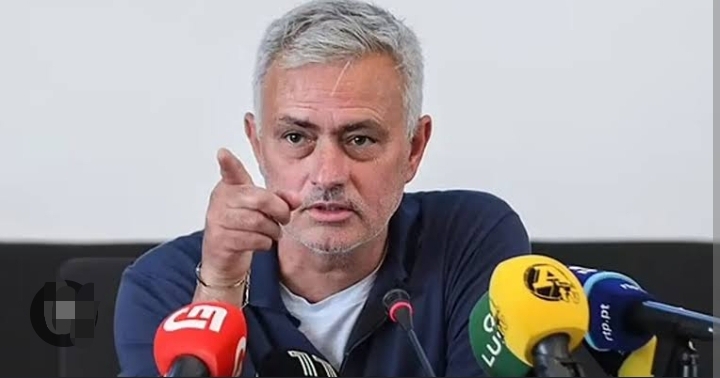
José Mourinho has reportedly criticized Mikel Arteta for his controversial decision to bench Viktor Gyökeres in what many viewed as a decisive match in the title race.
Arsenal’s defeat to Manchester City has already triggered intense scrutiny, but team selection has emerged as the central talking point. Arteta’s choice to leave Gyökeres—one of the team’s most in-form attacking threats—out of the starting lineup raised eyebrows before kickoff, and in the aftermath, it has drawn heavy criticism from pundits and former managers alike.
Mourinho, never one to shy away from sharing his views, is believed to have questioned the logic behind the decision. Known for his pragmatic approach and emphasis on winning crucial games, the former Chelsea and Real Madrid boss reportedly argued that big matches demand bold selections, not caution.
According to Mourinho, leaving a key attacking weapon on the bench in such a high-stakes fixture sends the wrong message—not only to the opposition but also to the players themselves. In his view, Arsenal needed their strongest lineup available to compete with a side as dominant and tactically disciplined as Manchester City.
The Portuguese coach is said to have pointed out that matches of this magnitude are often decided by moments of individual brilliance. By not starting Gyökeres, Arteta may have limited Arsenal’s attacking unpredictability—something that could have made the difference against a well-organized City defence.
Arteta, however, had his reasons. Following the game, the Arsenal manager explained that Gyökeres was not fully fit and that the decision was made with both the player’s condition and long-term fitness in mind. While such reasoning is common in modern football, Mourinho’s criticism highlights the tension between managing player fitness and taking risks in must-win matches.
This debate is not new. Managers frequently face dilemmas between protecting players and maximizing their chances of winning key games. Mourinho’s own career has been filled with examples of both cautious decisions and bold gambles, but his philosophy has often leaned toward prioritizing immediate results when the stakes are highest.
For Arsenal, the defeat has broader implications. Beyond the immediate loss of points, it has intensified pressure on Arteta, with questions now being asked about his in-game management and decision-making under pressure. The title race leaves little room for error, and every choice—especially in marquee fixtures—comes under a microscope.
Within the Arsenal fanbase, opinions are divided. Some supporters understand Arteta’s decision, recognizing the importance of player fitness over a long season. Others, however, echo Mourinho’s sentiment, arguing that such a crucial match required Arsenal to go all-in, regardless of the risks.
Gyökeres’ absence was particularly noticeable as Arsenal struggled to break down Manchester City’s defence. While the team showed moments of promise, they lacked a cutting edge in the final third—something Gyökeres has consistently provided when on the pitch.
Mourinho’s comments have only added fuel to the ongoing debate about Arsenal’s readiness to compete at the very highest level. While Arteta has undoubtedly transformed the club and built a competitive squad, critics argue that fine margins—such as team selection in key matches—can define a season.
As the campaign progresses, Arteta will be under increasing pressure to justify his decisions, especially if results continue to fall short of expectations. For Mourinho, the situation serves as another example of what he sees as a fundamental truth in football: when the biggest games arrive, there is little room for hesitation.
Whether Arteta views the criticism as fair or not, one thing is certain—the decision to bench Gyökeres will remain a major talking point, and its consequences could extend far beyond a single match.