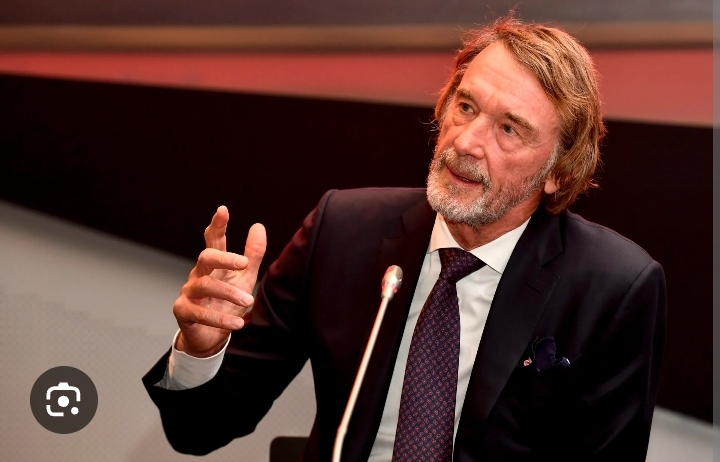
Manchester United co-owner Sir Jim Ratcliffe has reportedly been left with deep regret over the club’s decision to allow Marcus Rashford to leave on loan, as the Red Devils continue to battle inconsistency and a lack of attacking spark this season.
The departure of Rashford, a player long regarded as the face of United’s academy and one of the club’s most recognizable figures, was initially framed as a strategic move. It was presented as an opportunity for the England international to rediscover his best form away from the intense spotlight of Old Trafford. However, with United struggling for goals and cohesion in the final third, questions have begun to surface about whether the decision was a costly mistake.
A Difficult Decision
When Rashford’s loan move was sanctioned, the narrative was centered around a “fresh start.” After an up-and-down campaign and reported tensions regarding tactical fit and confidence, the club hierarchy believed a temporary exit would benefit both parties. Ratcliffe, who has made it clear since acquiring a minority stake that he wants to overhaul football operations at United, supported the move at the time.
Sources close to the club now suggest that Ratcliffe has privately admitted that allowing Rashford to leave may have weakened United’s attacking depth more than anticipated.
“Marcus understands the club. He understands the pressure, the fans, and what it means to wear that shirt,” a senior figure is believed to have said. “Replacing that kind of connection is not easy.”
United’s Struggles in Attack
Since Rashford’s departure, United have found goals hard to come by. While the team has shown glimpses of promise in spells, the lack of directness and pace on the left flank has been glaring. Rashford’s ability to stretch defenses, drive at full-backs, and produce moments of magic in tight games has been sorely missed.
In matches where United have dominated possession but lacked penetration, fans have pointed to the absence of a natural wide forward capable of changing the dynamic instantly. Several games that ended in frustrating draws or narrow defeats might have had a different outcome with Rashford’s explosiveness.
The statistics further underline the concern. United’s chance creation from wide areas has dipped, and the burden has fallen heavily on other forwards who have struggled with consistency.
A Symbol Beyond Football
Beyond his contributions on the pitch, Rashford represented something bigger. As a homegrown talent who rose through the ranks and became a global figure, he embodied the club’s identity and tradition. Ratcliffe, who has repeatedly spoken about restoring “Manchester United DNA,” may now feel that allowing one of its strongest symbols to leave—even temporarily—sent the wrong message.
For supporters, Rashford’s loan move was emotional. Many saw him not just as a player but as a symbol of continuity in a turbulent era. His absence has left a void that extends beyond tactical diagrams.
The Bigger Picture Under Ratcliffe
Since Ratcliffe’s arrival, sweeping changes have been introduced behind the scenes. There has been a focus on modernizing recruitment, restructuring departments, and creating a long-term vision that aligns with elite European standards. However, the Rashford situation highlights the delicate balance between strategic planning and emotional intelligence in football.
In hindsight, Ratcliffe is said to be reflecting on whether more patience might have paid off. Rashford has previously demonstrated his ability to bounce back from difficult spells. Just seasons ago, he delivered a campaign filled with decisive goals and match-winning performances.
Letting such a player leave, even on loan, may have disrupted the squad’s equilibrium more than expected.
What Happens Next?
As the season unfolds, attention will inevitably turn to Rashford’s future. If he flourishes during his loan spell, United could face renewed pressure from fans to reintegrate him swiftly. If the team’s struggles continue, Ratcliffe’s regret could intensify, potentially influencing transfer decisions in the summer window.
For now, United must find solutions internally. But the growing sentiment around Old Trafford is that Marcus Rashford’s absence has been felt more profoundly than many predicted.
Sir Jim Ratcliffe’s tenure at Manchester United is still in its early stages, defined by ambition and a desire to correct years of decline. Yet the Rashford loan move may serve as an early lesson: in football, decisions are never just about form and finance—they are also about identity, connection, and timing.
And in this case, it appears the cost of that decision is only now becoming clear.